What Makes a Great Cafe Experience for Every Guest
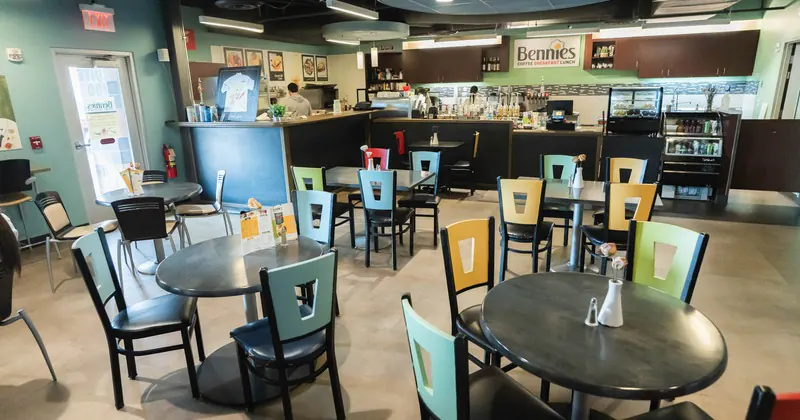
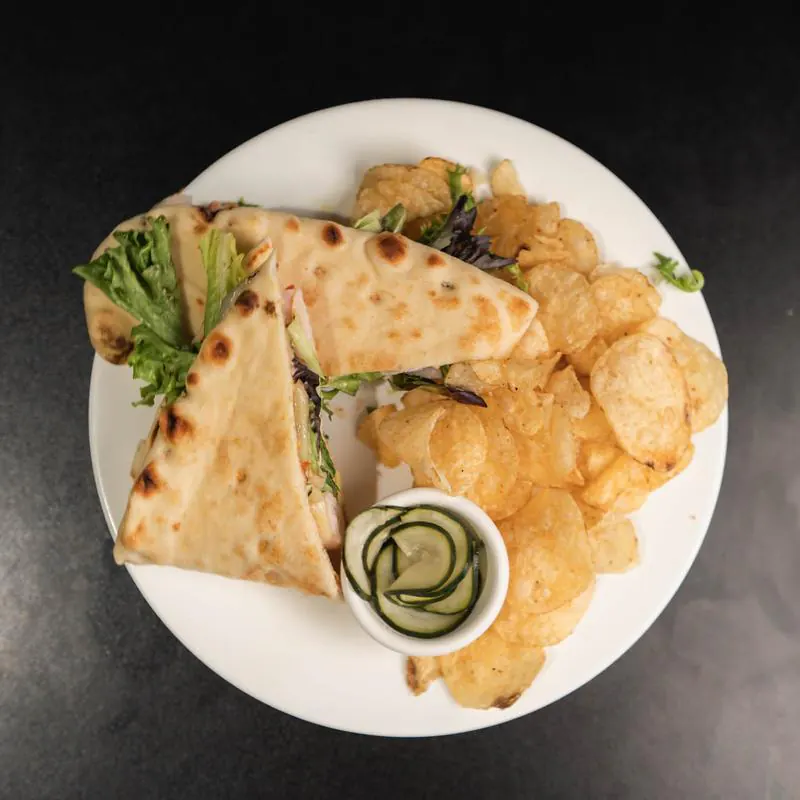

A great cafe is easy to recognize and surprisingly hard to build. People know the feeling when they walk into one. The room settles them almost immediately. The lighting makes sense for the time of day. The music supports the atmosphere instead of hijacking it. The menu feels considered. Service lands at the right distance, present without hovering. By the time the first sip arrives, the guest has already decided whether this is a place worth returning to.
That decision rarely depends on coffee alone.
Most operators learn this sooner or later. A technically excellent espresso can lose against a merely good one served in a room that feels calm, welcoming, and well run. Guests rarely separate the beverage from the experience around it. They read the whole setting at once, often in seconds. Was it easy to find the entrance? Did someone acknowledge them quickly? Could they hear the person taking their order? Was there a place to sit without squeezing past bags, laptops, and chair legs? Did the space feel like it had been designed for actual human bodies and moods, not just for photographs?
A cafe that works for every guest balances hospitality, design, product quality, and operational discipline. It also understands a difficult truth: every guest is not the same person. The commuter grabbing a flat white at 7:45 a.m. Wants something different from the parent with a stroller at 10:30, the freelancer settling in for two hours at noon, or the older couple meeting a friend in the afternoon. The best cafes do not try to make everyone behave the same way. They build enough flexibility into the space and service style that different guests can all feel considered.
The first minute does most of the work
The first minute inside a cafe carries more weight than many owners admit. Guests begin forming opinions before they reach the till. They notice whether the room is warm or drafty, whether the queue is legible, whether the pastry case looks fresh, whether the staff seem tense or composed. None of those details is trivial. They are all signals.
One of the strongest signals is acknowledgement. A guest can tolerate a short wait more easily than being ignored. In busy service, this matters even more. A quick “We’ll be right with you” can preserve goodwill during a rush. Without that, three minutes can feel like ten. This is especially true for first-time visitors who do not yet know the ordering flow. Cafes often forget how opaque their own routines can look from the outside. If payment happens before brewing, if table numbers are self-assigned, if water is self-serve, if reusable cups follow a different process, the space needs to communicate that clearly.
Physical layout shapes that first impression too. Guests should not have to solve a puzzle to order a drink. When the entry, queue, pickup Cafe area, condiment station, and seating zone fight each other, friction rises fast. I have seen beautiful cafes create constant stress simply because the pickup counter blocked the path to the door. Every time an order was called, three people had to shuffle sideways. Nobody complained directly, but the room always felt strained. Small design decisions can make a space feel either effortless or exhausting.
Hospitality is precision, not performance
There is a common mistake in cafe service, especially in places trying hard to feel friendly. Staff are trained to be upbeat, chatty, and informal, but not to read the guest. That can backfire. Great hospitality is not one fixed personality style. It is the skill of adjusting tone and pace to the person in front of you.
Some guests want quick efficiency. They know their order, they are on a schedule, and they appreciate a clean handoff with no delay. Others want guidance. They may not know the difference between a cortado and a cappuccino. They may have dietary questions. Cafe They may be choosing beans as a gift. In those moments, patience and product knowledge matter more than speed. The best staff can shift gears without making either guest feel like a burden.
This is where experience shows. You learn that friendliness is not measured by how much you talk. It is measured by whether the guest feels comfortable. A solo customer with headphones on may prefer a brief interaction. A regular who clearly came in to talk may enjoy a short exchange. Parents managing children often appreciate directness and a little practical help, such as carrying drinks to a table or pointing out where high chairs are kept. Older guests may need the menu spoken through if the board is small or poorly placed. None of this is dramatic hospitality. It is attentive, observant, and disciplined.
Consistency matters just as much as warmth. Guests forgive the occasional delay more easily than unpredictable treatment. If one person gets a smile and useful recommendations while the next gets clipped instructions, the room feels unstable. People pick up on staff dynamics quickly. A well-supported team creates a better guest experience almost by accident. A stressed, undertrained team cannot fake ease for long.
Quality is broader than the cup
Coffee quality is still central, of course. A cafe cannot build loyalty on atmosphere alone if the drinks are careless. Milk texture, extraction, temperature, and consistency matter. Filter coffee should taste fresh, not tired or overheld. Tea should be brewed with the same seriousness as coffee. Food should feel compatible with the brand and the hour. If a pastry program is part of the identity, it has to be replenished and presented well, not left sparse and stale by late morning.
Still, product quality in a cafe reaches beyond flavor. Temperature control is a good example. Many otherwise strong cafes serve drinks too hot because they are worried guests will think a cooler drink is weak or undersized. The result is a beverage that cannot be enjoyed for several minutes and, in milk drinks, often tastes flatter than it should. On the other side, iced drinks can suffer from poor dilution control or low-quality ice. Guests may not use those terms, but they feel the difference.
Portion expectations matter too. A six-ounce cappuccino in a specialty setting can be excellent, but if a cafe serves one without any context in an area where guests expect a larger cup, confusion follows. The answer is not always to change the beverage. Sometimes it is to improve communication. Menus can quietly do a lot of educational work if written well. Precise descriptions reduce hesitation and prevent disappointment.
The same principle applies to food. A cafe does not need an enormous menu to satisfy a broad guest base. It does need a coherent one. A few savory options, a few sweet options, at least one genuinely good decaf choice, and thoughtful treatment of common dietary needs can go a long way. Guests do not expect infinite variety. They do expect that the available choices were selected on purpose.
Comfort is a system
When people talk about atmosphere, they often mean decor. Decor matters, but comfort is more structural than that. It comes from how the room functions over time. A visually impressive cafe can still be uncomfortable after fifteen minutes if the chairs are punishing, the acoustics are harsh, or the air gets stuffy by midday.
Seating is a constant trade-off. Deep lounge chairs invite lingering but are poor for eating and working. Hard stools turn tables faster but can make guests feel processed. A good cafe usually offers a mix, even in a small footprint. Counter seats for solo guests, a few standard tables, and at least some seats with back support make a meaningful difference. If every seat suits only one kind of visit, a lot of guests will feel misplaced.
Acoustics deserve more attention than they get. Noise is one of the fastest ways to narrow a cafe’s audience without intending to. If music, espresso grinders, milk steaming, and hard surfaces combine into a wall of sound, guests who are older, hearing-sensitive, or simply tired will shorten their stay. Soft furnishings, wall treatments, plants, and smarter speaker placement can help more than owners sometimes realize. The target is not silence. A cafe should feel lively. It just should not force everyone to raise their voice.
Lighting is another subtle divider. Some cafes are bright enough for reading menus in the morning but become glaring at noon. Others chase mood so aggressively that guests can barely see their food. Daypart matters here. Morning light should support alertness and clarity. Late afternoon can soften. Evening, if the cafe operates then, may call for a different atmosphere entirely. The best rooms adapt without making the change feel theatrical.
Cleanliness is inseparable from comfort. Guests notice sticky tables, smudged glass, cluttered condiment stations, and neglected restrooms instantly. Restrooms, in particular, shape trust. A clean, stocked restroom suggests a disciplined operation. A neglected one raises questions about what guests cannot see.
Accessibility is not a side note
If a cafe claims to welcome everyone, accessibility has to be part of the core design, not an afterthought. This includes legal compliance, but it goes beyond that. An accessible cafe reduces friction for people with mobility needs, visual impairments, hearing differences, sensory sensitivities, and temporary limitations such as injury or pregnancy. It also improves the experience for many other guests.
Clear paths between tables matter. So does an entrance that is easy to navigate, a counter height that does not exclude wheelchair users, and readable menus with sufficient contrast. Staff should know how to assist without making the interaction awkward. That means speaking directly to the guest, not only to the person accompanying them, and being ready to offer practical alternatives when needed.
Accessibility is often most visible in small moments. Is there a place to park a stroller without blocking circulation? Can someone carry a tray safely to the seating area? Is there at least one stable table that can comfortably accommodate different bodies and mobility devices? Does the restroom layout create unnecessary obstacles? These are not niche questions. They affect a large share of daily traffic.
Sensory accessibility is rising in importance too. Not every guest thrives in a high-stimulation room. Bright lights, loud playlists, and strong fragranced cleaning products can make a cafe unusable for some people. A quieter corner, a more moderate volume level, and sensible scent control can widen the welcome without changing the brand identity.
The menu should reduce anxiety, not create it
Menus often reveal whether a cafe understands real guests. Industry language can be exciting to professionals and alienating to everyone else. Terms like washed process, natural process, anaerobic fermentation, or origin-specific tasting notes may appeal to enthusiasts, but they can also overwhelm someone who just wants a coffee they will enjoy.
A strong menu does two jobs at once. It offers enough depth for the engaged customer while remaining legible to the casual one. That can be achieved with thoughtful descriptions and clear structure. Instead of listing drinks in a way that assumes prior knowledge, a menu can quietly guide choice. Guests appreciate simple cues about strength, milk content, sweetness, or cup size. They do not need a lecture. They need confidence.
Prices matter as part of that confidence. A guest should be able to estimate what they are about to spend without surprises at the till. Unexpected add-on charges for milk alternatives, extra shots, or dine-in service can sour the interaction even when the base price seemed fair. That does not mean every supplement is unreasonable. It means the pricing logic should feel transparent.
For guests with allergies or dietary restrictions, uncertainty is especially stressful. Staff do not need encyclopedic scripts, but they should know ingredients, cross-contact risks, and what the kitchen can genuinely accommodate. Nothing erodes trust faster than vague reassurance followed by obvious confusion.
Speed has to match the occasion
One of the hardest parts of running a cafe is deciding what kind of time standard to hold. Guests say they want speed, but they actually want appropriate speed. A hand-poured single-origin coffee can take longer if the process is visible and the expectation is set. A simple batch coffee with a pastry should not.
The key is alignment. If a cafe presents itself as a neighborhood stop-in with breakfast traffic, service needs to support that rhythm. If it positions itself as a destination for coffee craft, guests may accept a slower pace, provided the process feels intentional and the team communicates well. Problems start when the promise and the pace contradict each other.
Queue management is part of this. During peaks, some cafes try to preserve a highly personalized service style that slows the whole line. Others push people through so aggressively that no one feels cared for. There is a middle ground. Staff can be efficient while still making eye contact, repeating orders clearly, and catching obvious confusion before it turns into an error.
Technology can help, but only if it serves the room rather than dictating it. Mobile ordering, digital loyalty, and text-based pickup alerts can improve convenience for some guests, especially commuters. For others, especially older customers or those less comfortable with apps, too much digital reliance creates a barrier. The best systems preserve choice.
Every guest category notices something different
A useful exercise for any cafe team is to mentally walk through the experience from the perspective of a few different guests. Not to stereotype, but to surface blind spots.
- The commuter notices speed, queue clarity, and whether the order is ready when promised.
- The parent notices stroller access, high chairs, spill tolerance, and whether staff respond with patience.
- The remote worker notices outlets, Wi-Fi reliability, table spacing, and whether staying an hour feels acceptable.
- The older guest notices acoustics, readability, seat comfort, and the pace of explanation.
- The first-time visitor notices everything regulars no longer see, especially signage and flow.
A cafe that serves all five well will likely serve most people well. The point is not to over-customize every interaction. It is to design with enough empathy that no common guest type feels accidental.
Regulars deserve a separate note. Many businesses chase regulars for the obvious reason that repeat trade stabilizes revenue. But regulars can unintentionally distort the atmosphere if a cafe is not careful. Staff may slip into inside jokes, line-bending, or assumptions that confuse newcomers. The warm familiarity that makes a regular feel at home should not make a first-time guest feel peripheral. The room belongs to both.
Staff culture shows up on the floor
Guests are remarkably good at reading whether a team likes working together. They can sense resentment, confusion, and burnout even if nobody says a word. That makes internal culture part of the customer experience, whether owners want it to be or not.
Training is the practical expression of that culture. Good training covers recipes, workflow, cleaning standards, and equipment handling. Great training also covers judgment. When should a drink be remade without debate? How should a staff member handle a guest who is dissatisfied but vague? What flexibility is allowed for a parent carrying a child, an elderly guest who needs table service, or a customer whose first language differs from the staff’s? Teams perform better when they do not have to improvise basic hospitality values under pressure.
Retention matters here too. High turnover creates uneven service because every week contains a new weak link in the chain. Guests forgive newness when the team is kind, but they still feel inconsistency. Cafes with stable teams often have a noticeable calm to them. People move with less wasted motion. Handovers are smoother. The room feels looked after instead of merely staffed.
Little recovery moments save the experience
No cafe gets everything right every day. Drinks are misheard. Oat milk runs out. The pastry case empties earlier than forecast. A sudden rush stretches ticket times. What distinguishes a strong cafe is not perfect execution. It is graceful recovery.
Service recovery does not need grand gestures. Often it is a matter of speed, ownership, and tone. If a drink is wrong, remake it quickly and without making the guest defend their complaint. If a table has not been cleared, acknowledge it and fix it. If the kitchen is behind, set the expectation honestly rather than letting guests guess. Most people are reasonable when they feel respected.
This is where empowerment matters. Front-of-house staff should have enough authority to solve small problems on the spot. When every minor issue requires manager approval, delays and awkwardness compound. A replacement pastry, a complimentary refill on batch coffee after a long wait, or a sincere apology delivered promptly can protect loyalty far more effectively than a rigid policy.
The best cafes feel generous
Generosity in a cafe is not only about giving things away. It is about how the place uses its resources to reduce tension and create ease. Sometimes that is literal, like offering water without fuss, keeping napkins stocked, or providing hooks for bags and coats. Sometimes it is spatial, like leaving enough room between tables that guests do not feel they are eavesdropping on strangers. Sometimes it is emotional, like making room for a guest who seems uncertain rather than treating hesitation as inefficiency.
This kind of generosity often shows in details that cost little. A child’s hot chocolate served at a sensible temperature. A tray offered to someone ordering multiple items. A decaf option that tastes good rather than like an obligation. A team member who notices that a guest with a cane should not have to carry two cups. These moments are rarely posted online, yet they are exactly why people come back.
A great cafe experience for every guest is built from hundreds of decisions that honor both craft and comfort. The coffee matters. The food matters. Design matters. But what ties it all together is consideration. When a cafe consistently shows that it has thought about how people actually arrive, order, sit, eat, talk, wait, work, rest, and leave, guests feel it. They may not be able to name every reason. They simply know the place works for them. And in a crowded market, that is what turns a cafe from a stop into a habit.
Bennies Cafe
17230 Jackson Creek Pkwy Ste 100, Monument, CO 80132
+1 719-445-0660
FAQ About Cafe
What is considered a café?
A café is generally an informal place to enjoy refreshments and a meal. Bennies Cafe in Monument serves breakfast and lunch in a counter-service setting, with options including eggs Benedict, sandwiches and crepes. Guests can eat in or arrange pickup.
What is the difference between a coffee shop and a café?
The terms often overlap. A coffee shop usually emphasizes coffee and other drinks, while a café may offer a broader food menu. Check the individual establishment's menu rather than relying on its name. Bennies Cafe offers coffee drinks alongside breakfast and lunch dishes.
What is the difference between café and coffee?
In everyday English, a café is a place where people buy food and drinks, while coffee is the beverage. The word café comes from the French word for coffee. Bennies Cafe serves options such as brewed coffee, espresso and lattes as part of its drinks menu.