The Best Grand Opening Marketing Tips for a New Cafe
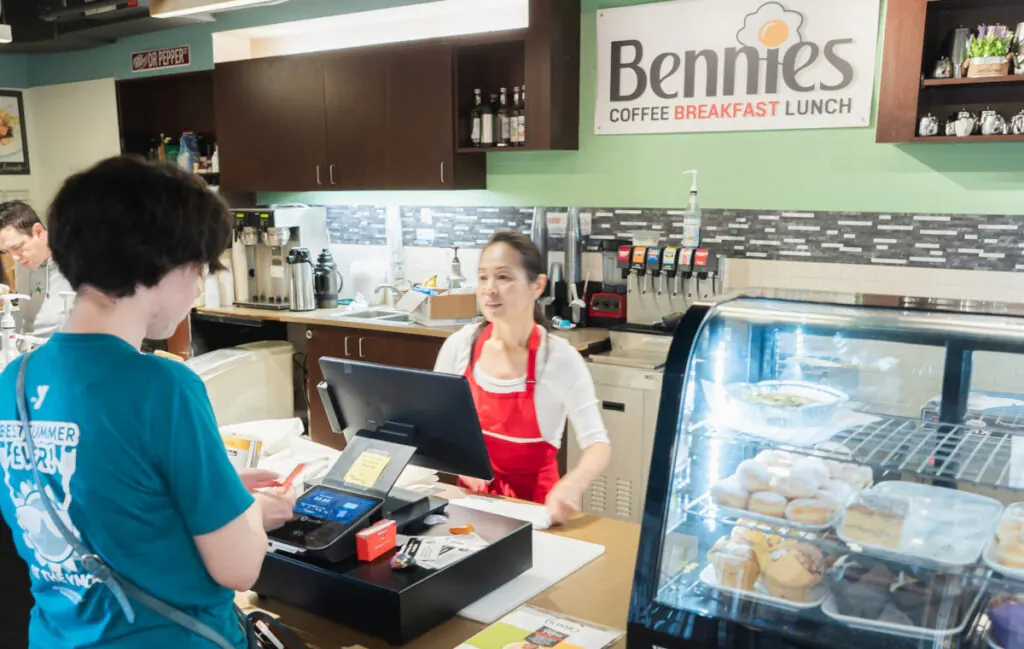
A grand opening can give a new cafe momentum that lasts for months, or it can burn through time, energy, and budget without creating much repeat business. The difference usually comes down to one thing: whether the opening is treated as a one-day celebration or the start of a customer habit.
That distinction matters more than most owners expect. Plenty of first-time operators picture a packed room, a line out the door, and social media buzzing with photos of latte art. Those things are nice, and they do help. But a crowded opening day is not the same as a healthy business. I have seen beautiful cafes open with a full house on Saturday and a half-empty dining room by Wednesday. I have also seen modest openings turn into dependable neighborhood favorites because the owners built their launch around retention, not just attention.
The best grand opening marketing for a cafe creates curiosity before launch, lowers friction on the first visit, and gives people a reason to come back quickly. It also matches the character of the business. A commuter coffee bar near offices needs a different opening strategy than an all-day brunch cafe in a residential area. A cafe with a high-ticket pastry program will market differently from one competing on speed, value, and convenience.
If you get the opening right, you do more than announce your business. You define your place in the neighborhood.
Start marketing before the paint dries
Many new owners wait too long to begin. They assume marketing starts once the menu is final and the front sign is installed. In practice, some of the most effective cafe marketing starts while the space is still coming together.
People are naturally curious about a new food business in their area. Use that window. A simple “coming soon” sign on the storefront does more than mark the address. It tells passing traffic to pay attention. If your location gets decent foot traffic, that sign should do real work: your cafe name, a short description, and a QR code or handle that leads people to your Instagram or email sign-up page.
At this stage, the goal is not polished branding. The goal is early familiarity. When opening day arrives, you want people to feel they have already been hearing about you. That small sense of recognition can be the difference between “I should try that place sometime” and “Let’s go today.”
The same applies online. Post the build-out. Show the espresso machine arriving. Introduce the baker, the bar manager, the ceramic mugs, the test pastries, the menu trials that worked, and the ones that failed. Those details make the cafe feel real. They also make people invested. A cafe opening is more compelling when the audience feels they watched it take shape.
This is one of the few times when imperfect content often outperforms polished content. Short videos of your team dialing in espresso or testing sandwiches can create more trust than a glossy teaser graphic. The public likes craft, but they like honesty even more.
Build your opening around your actual customers
One common mistake is copying another cafe’s launch plan without asking whether it fits the neighborhood. Free tote bags and live acoustic music may work beautifully in one market and do almost nothing in another. Good opening marketing begins with customer behavior, not trends.
Spend time studying what happens within a few blocks of your location. Watch foot traffic by hour, not just by day. Notice whether people walk dogs, carry laptops, push strollers, or rush with transit passes in hand. Count how many nearby businesses could become weekday regulars. Check where people park. Pay attention to whether they linger outdoors or move quickly from place to place.
A new cafe near apartments and schools often benefits from a soft, family-friendly weekend opening and a stronger weekday local offer. A location near offices may need to prove speed first. In that case, your best grand opening message is often not “beautiful space, handcrafted beverages” but “coffee in under four minutes before work.”
This sounds obvious, but opening campaigns often drift toward what the owner wants to showcase rather than what the customer needs to hear. A chef-owner may care deeply about a laminated brioche or a single-origin espresso, but if the customer’s first concern is whether the line moves fast at 8:15 a.m., your marketing has to answer that first.
The smartest grand openings make return visits easy
A packed launch event can create the illusion of success. Repeat traffic is what pays the rent. The best cafe openings are designed backward from the second and third visit.
If someone visits your grand opening, enjoys the atmosphere, and leaves without any reason to return soon, your marketing is incomplete. You need a gentle bridge between first purchase and next visit. That bridge can be a bounce-back offer, a loyalty card, a “come back this week for the full menu” prompt, or a simple invitation to join your text or email list for future specials.
What matters is speed. A first-time customer should have a reason to return within the next seven days, while the memory is fresh and the trip still feels easy.
A neighborhood cafe I watched open in a mixed residential area handled this well. On opening weekend, every customer received a small card for a free drip coffee with any pastry purchase, valid Monday through Thursday of the following week. It was not a dramatic giveaway, and it did not kill margins. But it pulled opening-weekend curiosity into weekday trial. That is where habits begin.
The bounce-back offer should fit your economics. A free branded Cafe mug may look exciting, but if it reduces margin on the very customers you are trying to convert, it can backfire. A modest second-visit incentive is usually more effective than a flashy first-visit gift.
Your menu is part of your marketing
Owners sometimes treat menu strategy and marketing as separate conversations. For a new cafe, they are tightly linked. Opening offers, signature items, and visual appeal all shape how customers talk about you.
You do not need a huge menu to generate buzz. In fact, a smaller, clearer menu often performs better during launch because it speeds service and reduces decision fatigue. People forgive a short menu if they understand the point of view. They do not forgive a confusing one.
A good grand opening menu usually includes one or two obvious anchors. That could be a house latte, a standout pastry, a breakfast sandwich worth photographing, or a lunch item that nearby workers can picture ordering twice a week. Give people something specific to remember and recommend. “Nice place” is weak word-of-mouth. “Their cardamom bun is ridiculous” travels much farther.
Visual items matter, but they should not come at the expense of consistency. If you offer a dramatic layered drink that takes six minutes to make and collapses service during rushes, you may gain social photos and lose regulars. This is one of the central trade-offs in cafe opening marketing. The item that spreads online is not always the item that builds the business.
A balanced approach works best. Have one or two photogenic signatures, then make sure the rest of the menu supports throughput and quality. Customers will forgive a limited menu. They will not forgive a 20-minute wait for a basic cappuccino.
Local partnerships beat broad advertising more often than people think
For a new cafe, broad paid advertising can be useful, but local partnerships often produce better early customers. They are warmer, cheaper, and more credible.
Think beyond the obvious influencer approach. Nearby gyms, salons, bookstores, offices, coworking spaces, florists, and boutiques all touch the kind of people who could become regulars. So do apartment managers and neighborhood associations. If your cafe is opening near a cluster of small businesses, personal outreach can outperform a generic ad campaign.
A simple partnership can be enough. Drop off sample pastries with a stack of opening flyers at nearby offices. Offer neighboring retailers a staff preview hour. Create a cross-promotion with a bookstore where a receipt from one business earns a small perk at the other during opening week. Invite local business owners in before the public opening so they experience the space without the rush.
These partnerships work because they create social permission. People are more likely to try a new cafe when someone they already trust mentions it. That trust is hard to buy through ads alone.
There is also a practical angle. Local partners often help you understand the rhythm of the area. A nearby salon owner may tell you Saturdays are chaotic but Mondays are quiet. An office manager may tell you your biggest chance is pre-9 a.m. Coffee runs for teams. Those small insights can sharpen both staffing and promotion.
Use social media like a host, not a billboard
Cafe owners often know they need social media, but many use it too narrowly. They post polished photos, announce hours, and hope people show up. That is not enough for a launch.
The strongest grand opening social strategy feels like hospitality before the doors open. It welcomes, answers questions, and reduces uncertainty. People want to know where to park, whether there is outdoor seating, if there are dairy-free options, what time the pastry case is fullest, whether laptops are welcome, and how crowded it might be.
Answer those questions in your content. Walk through the space on camera. Show the entrance. Post your opening weekend hours clearly. Introduce your best-selling pastry from menu testing. Put a face to the business by featuring your team. A first-time visit is much easier when customers know what to expect.
Short-form video is especially useful here because it helps people imagine themselves in the cafe. A 20-second clip of sunlight hitting the bar, milk steaming, and pastries coming out of the oven can do more than a static logo post ever will. But keep the tone grounded. A neighborhood cafe does not need to perform like a lifestyle brand. It needs to feel inviting and competent.
If you work with creators, choose carefully. The best local partners are not always the largest accounts. A small food writer with a loyal audience in your neighborhood can drive more relevant traffic than a broad lifestyle influencer whose followers live across the city. Ask yourself a basic question: are these the people who could actually become regulars?
A soft opening is not a weakness
Some owners worry that a soft opening makes the business seem less confident. In reality, it often protects the brand. Few things damage a new cafe faster than opening day chaos that leaves customers frustrated.
A soft opening lets you pressure-test the order flow, espresso calibration, kitchen timing, staff roles, and point-of-sale issues before the biggest crowd arrives. It gives your team repetitions under real conditions. That matters. People can be generous about small delays in a new business, but only if the overall experience still feels cared for.
A soft opening does not have to be elaborate. It can be a few invite-only service windows for friends, family, neighboring businesses, and early email subscribers. The key is to treat it as a real rehearsal, not a casual hangout. Charge something, even if it is discounted. Run the line as if the public were there. Watch where the bottlenecks form.
Most cafes find surprises. The pickup shelf may create crowding near the register. The pastry display may cause ordering delays because customers need too long to decide. The milk fridge may be too far from the machine. The team may need clearer division between dine-in and takeout orders. It is much better to learn those lessons before the official grand opening.
Choose an opening offer that helps, not hurts
Discounts can work, but they are not always the best headline. A cafe that opens with “50 percent off everything” often creates a rush that strains operations and attracts one-time bargain seekers. The opening offer should support the kind of customer behavior you want.
Sometimes that means a free add-on rather than a deep discount. Sometimes it means a small gift for the first group of guests. Sometimes it means a preview tasting hour for nearby residents. In other cases, especially in premium markets, no discount at all is the right move, provided the experience itself feels special.
The practical test is simple. Ask what your offer will do to speed of service, perceived value, labor stress, and second-visit potential. If it increases traffic but weakens all four, it is probably the wrong offer.
Here are five opening offers that tend to work well for a cafe:
- A bounce-back card for a weekday return visit within the next week.
- A complimentary pastry sample with beverage purchase during a defined time window.
- A limited signature drink available only for opening week.
- A small gift for early guests, such as a sticker or branded cup sleeve.
- A neighborhood-only preview hour for nearby residents and workers.
Notice that none of these depend on extreme discounting. They create interest without training customers to wait for deals.
Grand opening day needs choreography, not just promotion
Marketing can fill the room. Operations determine whether that attention turns into loyalty. For a cafe, launch day choreography matters as much as the message that brought people in.
Assign someone to greet. Assign someone to float and solve problems. Make sure the menu boards are easy to read from the line. If customers need to ask eight questions before ordering, service will drag and anxiety will spread. A cafe line is emotional as much as practical. Once people feel uncertain, every extra minute feels longer.
Think carefully about how customers enter, order, wait, pick up drinks, and find seating. If your layout is tight, remove visual clutter before opening day. Temporary stanchions, floor markers, or simple verbal guidance can help more than owners expect.
One thing experienced operators learn quickly is that opening day customers behave differently from regulars. They linger longer, take more photos, ask more questions, and often arrive in groups. Build the day around that reality. If your space seats 24 and every table turns slowly because people are celebrating, your line and staffing plan need to reflect it.
This is also why a trimmed launch menu often makes sense. Fewer variables mean fewer mistakes. If your full menu has 18 drinks and 14 food items, consider temporarily narrowing it for the first high-volume window. Customers are usually more forgiving of limited options than inconsistent execution.
Capture customer information while attention is high
A grand opening creates concentrated attention that fades fast. If you do not capture some of it, you will spend more money later trying to get the same people back.
That does not mean aggressive data collection. It Cafe means making it easy for interested guests to stay connected. A simple email sign-up at the register, a QR code on tables, or a text club for weekly specials can all work. The message should be clear and worthwhile. “Join our list” is weak. “Get first notice of seasonal drinks and bakery drops” is better.
The value of this list grows quickly. In the early months, it gives you a direct channel to announce new hours, lunch launches, holiday pre-orders, loyalty perks, or special events. More importantly, it reaches people who already showed intent. They are far more valuable than a cold audience.
If you do collect contact information, use it carefully. A new cafe does not need daily emails. One thoughtful update a week is often enough. Too much communication can make a promising local brand feel noisy.
Encourage word-of-mouth in ways that feel natural
Word-of-mouth remains the most powerful marketing for many cafes, especially local ones. But it works best when you give people something easy to talk about.
That talk trigger might be a pastry no one else nearby makes well. It might be unexpectedly warm service. It might be a beautiful corner seat with great morning light. It might even be a practical strength, like genuinely fast takeout during rush hour.
Owners sometimes assume word-of-mouth depends on novelty alone. Novelty helps, but clarity matters more. Customers need a simple story they can repeat. “You should try the new cafe on Maple, they make this orange cinnamon roll and it actually stays flaky by noon” is a useful story. “It seemed nice” is not.
Reviews also matter during opening month, especially for search visibility. But the best way to earn them is not by pleading at the counter. It is by creating enough satisfaction that people want to share it. If you do prompt for reviews, do it lightly, perhaps on a receipt, tabletop card, or follow-up email.
Plan for the week after the grand opening
A surprising number of launch plans stop at the ribbon-cutting moment. The better approach is to see the first month as one long opening sequence with different goals each week.
The first few days are for awareness and trial. The next stretch is for smoothing service and drawing people back. After that comes the phase where you begin teaching customers what your cafe is for. Morning grab-and-go? Lingering brunch? Remote work afternoons? Bakery pre-orders? Neighborhood meetups? Office catering? Every marketing choice after opening should sharpen that identity.
A practical post-opening rhythm often helps. Early in the week, feature a reliable staple that encourages repeat traffic. Midweek, post something behind the scenes that deepens connection. By the weekend, highlight atmosphere or a signature item that draws new guests. Over time, customers begin to understand the cadence of your business.
The week after opening is also when many owners get their most valuable feedback. Listen carefully, but do not overreact to every comment. If ten people mention the same confusion about line flow or seating, pay attention. If one person wants a menu category that does not fit your concept, stay disciplined. Good operators can tell the difference between helpful friction and random preference.
What to prepare before the doors open
Strong grand opening marketing depends on a surprising amount of groundwork. The public sees the event. What drives results is the preparation underneath it.
Use this short checklist before launch:
- Confirm your Google Business Profile, hours, address, and phone number are accurate.
- Make sure your storefront signage clearly says what the cafe offers.
- Prepare a return-visit offer that makes financial sense.
- Train staff on service flow, not just recipes.
- Set up an easy way to collect customer emails or texts.
None of these steps is glamorous, but each removes friction. Friction is the enemy of opening momentum.
The best opening feels like a beginning, not a stunt
A new cafe does not need a giant spectacle to open well. It needs coherence. The message, menu, service style, and follow-up should all point in the same direction. If your space feels calm and neighborhood-oriented, your marketing should not feel loud and generic. If your promise is craftsmanship, do not undercut it with chaotic discounting. If your edge is speed and convenience, every opening decision should support that claim.
The most effective grand opening marketing creates a clear first impression and then reinforces it quickly enough that customers return before life gets in the way. That is where a cafe starts to shift from “new place” to part of someone’s routine.
When that happens, the opening has done its job. Not because the room was full for a day, but because people come back on an ordinary Tuesday morning, know what they want, and are glad your doors are open.
Bennies Cafe
17230 Jackson Creek Pkwy Ste 100, Monument, CO 80132
+1 719-445-0660
FAQ About Cafe
What is considered a café?
A café is generally an informal place to enjoy refreshments and a meal. Bennies Cafe in Monument serves breakfast and lunch in a counter-service setting, with options including eggs Benedict, sandwiches and crepes. Guests can eat in or arrange pickup.
What is the difference between a coffee shop and a café?
The terms often overlap. A coffee shop usually emphasizes coffee and other drinks, while a café may offer a broader food menu. Check the individual establishment's menu rather than relying on its name. Bennies Cafe offers coffee drinks alongside breakfast and lunch dishes.
What is the difference between café and coffee?
In everyday English, a café is a place where people buy food and drinks, while coffee is the beverage. The word café comes from the French word for coffee. Bennies Cafe serves options such as brewed coffee, espresso and lattes as part of its drinks menu.